How London plans to reinvent itself through the new London Growth Plan

The Savills Blog

In Focus: a guide to Lincolnshire

Stretching from the Humber Estuary in the north to the fringes of the Fens in the south, Lincolnshire is one of England’s largest counties by area, yet among the least densely populated.

For those who value space, heritage, and a slower pace of life, the scenic county offers a compelling alternative to more crowded corners of the country.

The county is often described as a place of quiet charm and understated beauty. With its unspoilt inland and coastal landscapes coupled with historic towns and a beautiful cathedral city, Lincolnshire’s appeal lies in its authenticity and variety.

There’s a sense of breathing room, whether you’re walking a coastal path, cycling through the countryside, or exploring the quiet lanes of a market town.

What makes Lincolnshire so special?

Lincolnshire is a county of contrasts. The rolling hills of the Lincolnshire Wolds – a National Landscape – give way to the flat Fens in the south. The coastline offers traditional seaside escapes and some hidden gems, while inland, market towns like Louth, Stamford, and Market Rasen provide a gentler pace of life.

The city of Lincoln is the county’s cultural and historical heart. Its cathedral dominates the skyline, and the surrounding Bailgate area is full of independent shops, cafés, and cobbled streets.

Despite its rural feel, Lincolnshire is surprisingly well-connected. Direct trains from Grantham and Newark, which lies just over the county border, can whisk you to London in around an hour, making it a perfect choice for commuters seeking a quieter home life. Similarly, the A1 – which runs right through the county – means Lincolnshire is incredibly well-connected across the eastern side of the country, whilst the A46 provides excellent road links to the regional hubs of Nottingham, Leicester, and beyond.

Schooling

Lincolnshire retains a selective grammar school system, which continues to attract families from outside the county. Towns like Grantham, Boston, and Bourne, Spalding and Sleaford are home to some of the highest-performing grammar schools in the region. A selection of superb independent schools is also available, particularly in Stamford and Lincoln.

For younger children, village primary schools often serve as the heart of the community, and many are rated highly by Ofsted.

The University of Lincoln has grown in reputation over the past decade, contributing to the city’s youthful energy and innovation.

History, culture and entertainment

Lincolnshire’s history is deeply embedded in its towns and villages. The city of Lincoln, with its Gothic cathedral and Norman castle, is a focal point. Its steep, cobbled streets and medieval architecture contrast with a growing university presence and a lively cultural calendar.

Roman ruins, medieval churches, and stately homes dot the landscape. Lincoln Castle houses one of the original copies of the Magna Carta, while the much-loved Burghley House, Belton House and Tattershall Castle offer glimpses into aristocratic life and a calendar of events to keep visitors entertained throughout the year.

Elsewhere, towns like Stamford and Louth offer a blend of heritage and community. Stamford, in particular, is known for its Georgian architecture and has been used as a filming location for period dramas. It is also home to The George of Stamford: one of the oldest surviving coaching inns in England with its iconic sign displayed proudly across St Martin’s in the town connecting our Stamford branch with the hotel. But beyond the aesthetics, these towns support a way of life that is rooted in local identity – with weekly markets, independent shops, and a strong sense of place.

Culturally, the county supports a range of events and festivals – from the Savills-sponsored Lincolnshire Show to the Stamford Georgian Festival and the Burghley Horse Trials, an international event held annually at Stamford’s Burghley House. 

Food and drink

The county is known for its agricultural heritage, and this is reflected in its food. Lincolnshire sausages, plum bread, and Poacher cheese are amongst local staples. Farmers’ markets are a focal point across the county’s towns, and many of the pubs and restaurants focus on seasonal, locally sourced ingredients.

In towns like Lincoln and Stamford, you’ll find everything from artisan bakeries to modern British bistros, alongside traditional tearooms and country pubs.

Buying a property in Lincolnshire

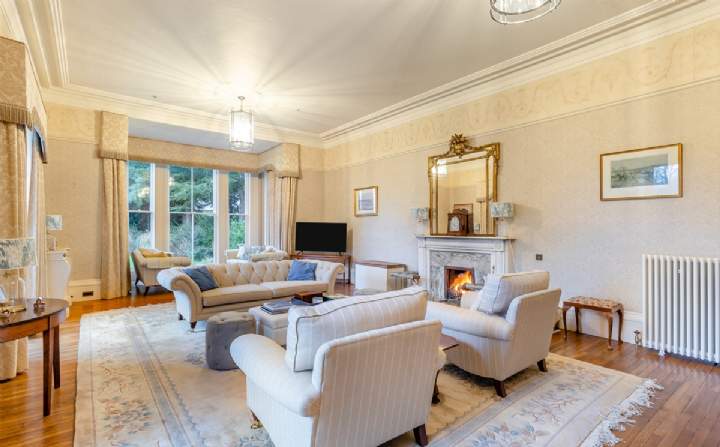
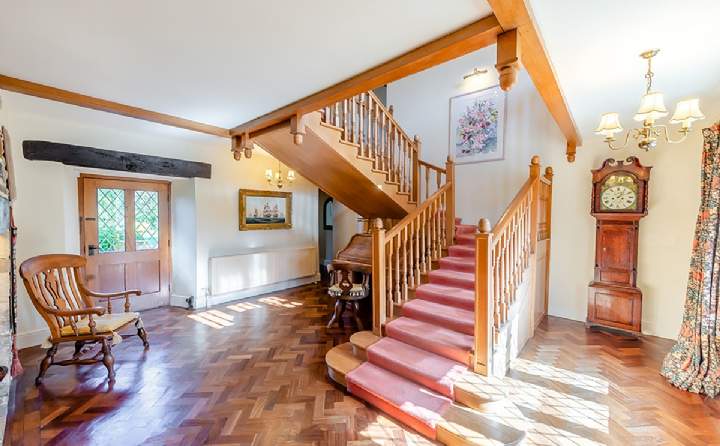
The property market in Lincolnshire is diverse. From Georgian townhouses in Stamford to barn conversions in the Wolds and new-builds on the edge of market towns, there is a wide range of options.

The county’s affordability is a key draw, especially for those relocating from London and the South East or looking for more space.

For buyers seeking space, character, or simply a quieter lifestyle, Lincolnshire offers a broad canvas.

Average property prices in Lincolnshire

According to the Office for National Statistics (ONS), as of mid-2025, the average property price in Lincolnshire is around £224,000, significantly below the national average. Detached homes average £307,000, while terraced and semi-detached properties are typically under £200,000.

Meanwhile, at the upper end of the market, prime properties across Lincolnshire – including period homes, country estates, and rural properties with land – can command prices well above £1 million, with demand largely remaining steady despite broader market sensitivity.

Even at the top end, this relative affordability, combined with the quality of life on offer, makes Lincolnshire an increasingly attractive choice for buyers seeking value without compromise.

Approximate travel times

You can travel by train from Lincoln to London in 1 hour and 55 minutes, whilst Grantham to London on the East Coast Mainline can be done in just over an hour. For those in Stamford and surrounding villages, Peterborough would usually be the train station of choice: a short commute to this station which sits on the East Coast Mainline would provide a 50-minute train journey into the capital.

Stamford’s own railway station provides a regular service to the major hubs of Birmingham and Cambridge, as well as a direct link to Stansted Airport.

Further information

Contact Rupert Fisher and James Abbott

Savills Lincoln

Savills Stamford


Recommended articles