Seven top tips for selling your farm

The Savills Blog

Seven top tips for selling your farm

Following the phasing out of BPS, the national agricultural transition continues to encourage the restructuring of farming businesses and to generate more market activity, with recent challenging weather conditions and farming economics likely to be contributing factors too. 

Selling a farm is often a once-in-a-lifetime decision. Understandably, it is not something that should be taken lightly.

There will always be certain elements that are impossible to control, but if you are thinking of selling there are several ways to make the process as smooth as possible. 

BE SURE OF YOUR DECISION

This first step is often the most difficult. The farm may well have been in the same family for a number of decades and there will sometimes be strong emotional ties.

Be sure to consult your solicitor and financial advisor early so you can consider all factors – such as tax liabilities, how the business structure can be dissolved and how the farm is owned – before you make a final decision. 
TIMING

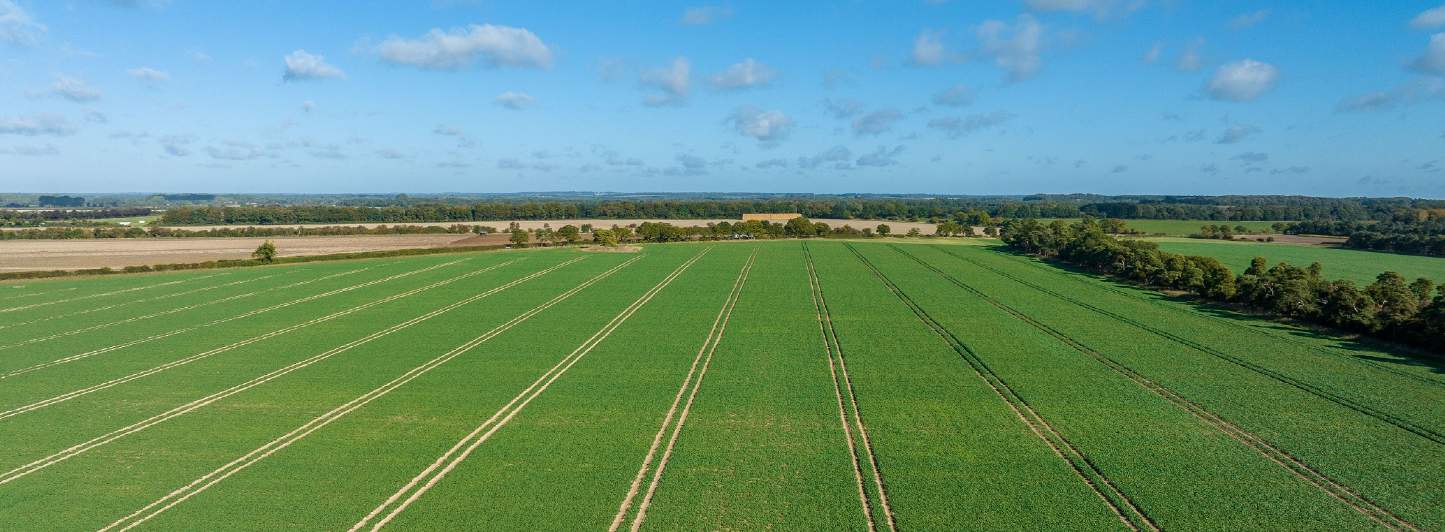
You can, of course, put your farm up for sale at any time of the year. However, we often advise a spring launch when the fields, hedgerows and trees have greened and wetter areas have dried, which will help to show the holding in its best light to prospective buyers. But that means preparations for the sale need to start as early as possible, and this includes everything from finding relevant paperwork to carrying out essential repairs. You may wish to consider getting photographs taken in the preceding spring or summer so you have them ready for a launch at any time of year.

STRATEGY

Your selling agent will advise on which types of buyer are most likely to be interested in your farm and the best way to reach them. Points to consider include: should the land be lotted to suit different buyer types? How should different marketing strategies, including social media, be used to ensure contact with the best buyers? Should it be publicly advertised in order to create strong competition or placed privately? In the initial stages, it is also best to keep your plan to sell confidential. This will help ensure the biggest impact when the farm launches to market.

PREPARATION 

The importance of gathering paperwork early should not be underestimated. Ensuring that legal and compliance matters are addressed will highlight any potential stumbling blocks. As a minimum, send title deeds to solicitors to make sure all boundaries are shown and up to date. Depending on your holding, other useful documents include: farming contracts, tenancy agreements, agri-environment scheme agreements, five years of cropping records, three years of yield records, soil testing documents, lambing percentages, calving rates, milk yields average per cow and drainage improvement records. 

BE UPFRONT

If your property has issues with rights of way, private water supplies or local developments, be open from the start. Your agent may be able to work with you and your solicitor to tackle these issues and find a solution before bringing the property to the market. Failing that, buyers are less likely to lose confidence if you’ve made them aware of everything they need to know before they decide to buy.

FIRST IMPRESSIONS 

Many farm sales are won or lost by first impressions. Ensure properties are well presented, keep buildings clean and tidy, cut verges and hedgerows as permitted, repair fencing and gates where necessary and fill in any potholes. You should also continue to farm as if you were staying. You can be compensated later or add a holdover clause to the sale agreement to allow you to continue your occupation until harvest is completed.

NEGOTIATION

Throughout the life cycle of a sale it’s reasonable to assume there may be one or two bumps along the road – and appointing a trusted agent can help smooth out any issues. They will handle all negotiations on your behalf, but, although price is important, there may be other factors that influence your final decision. What is the likelihood of other offers being made? How are the buyers funding the purchase? Do they have their own property to sell? What are the agreed timings for exchange and completion?

In essence, the list of what you could do to prepare for a sale is endless. But selling a farm can be one of life’s major milestones, so good advice and careful preparation are key.

Recommended articles